4-6 years, the oldest recorded bluebird was a 9 year old female recaptured and released in Alberta, 2005.
Colouration
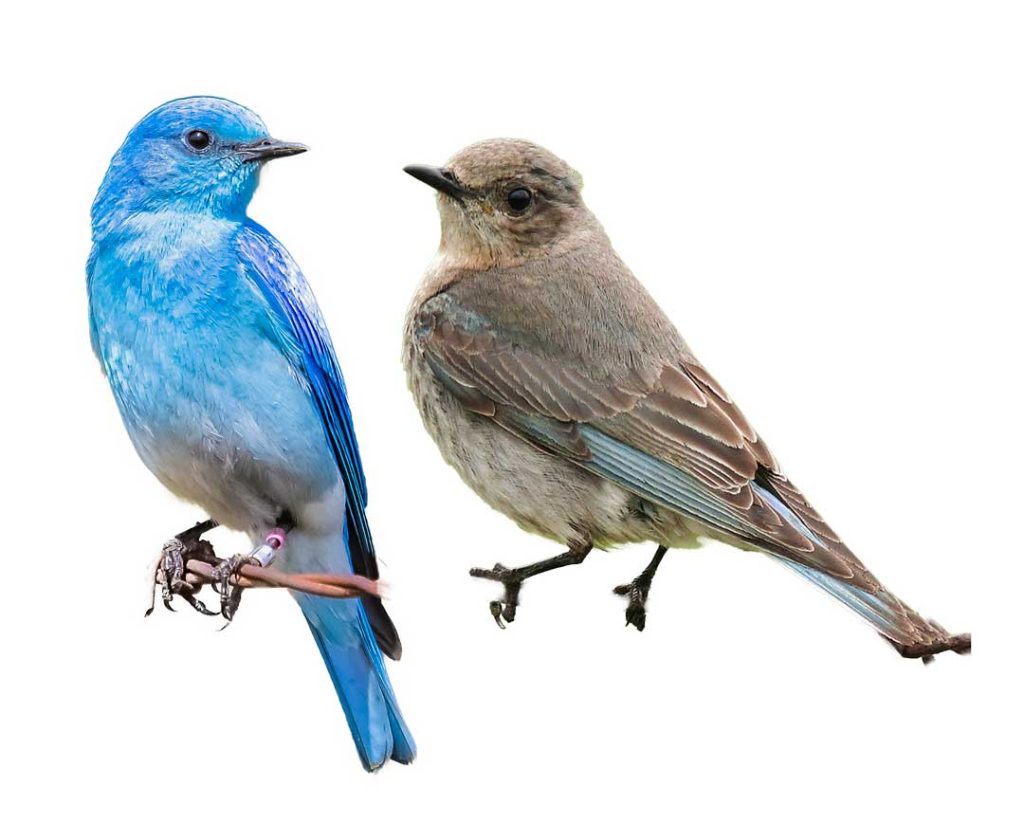
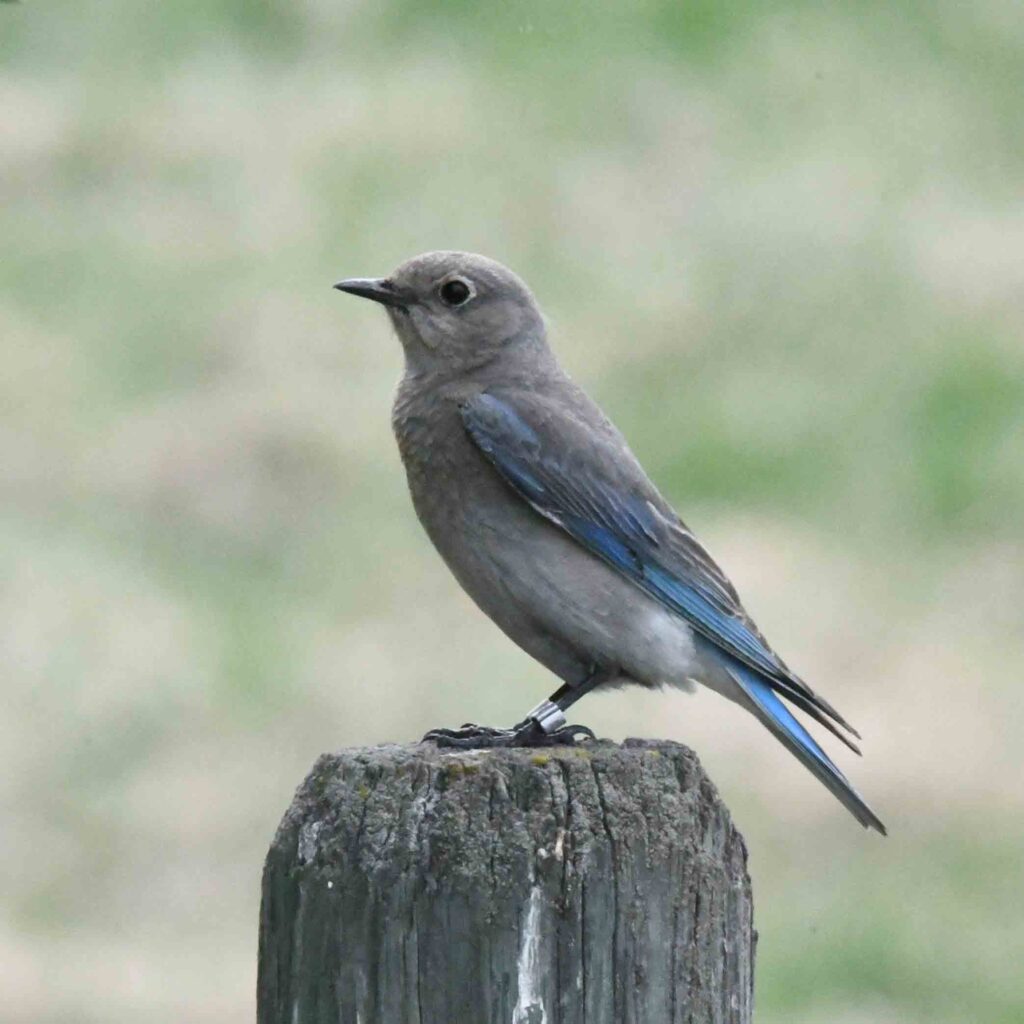
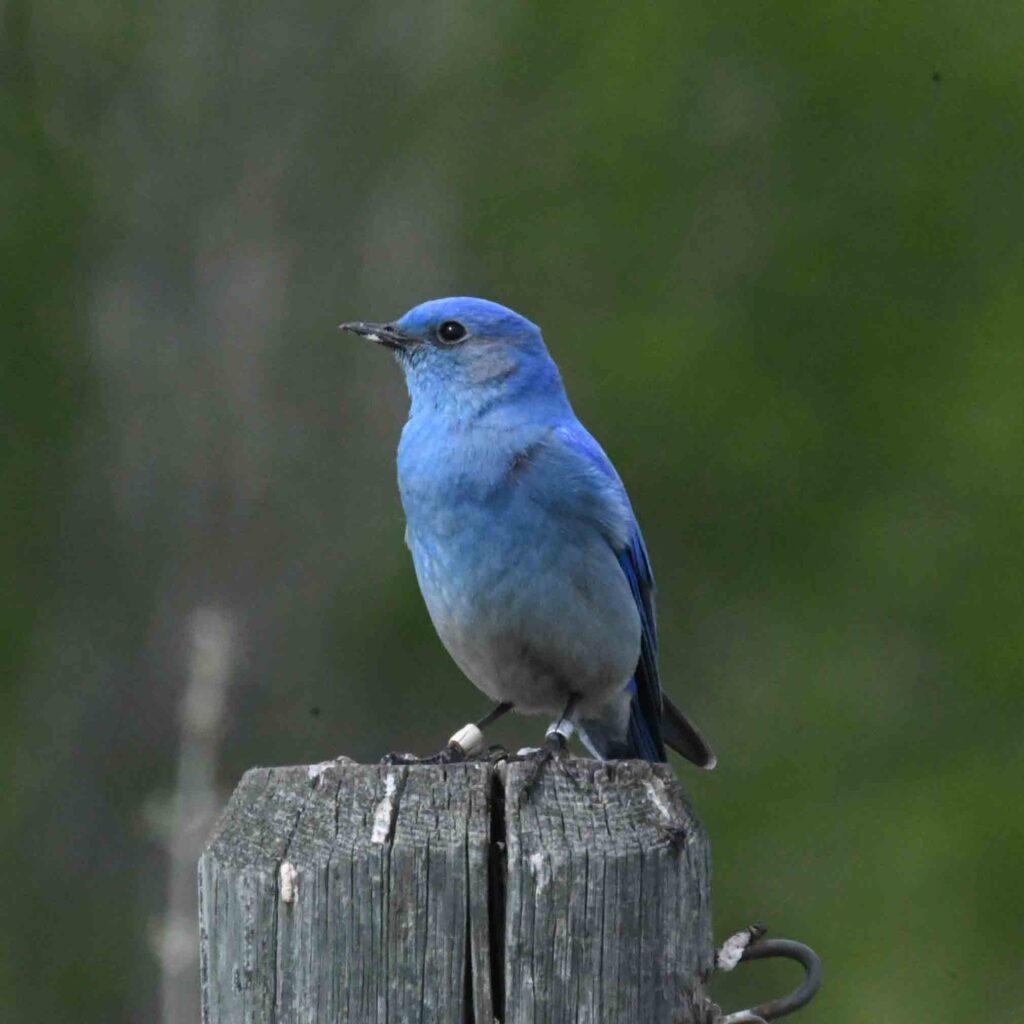
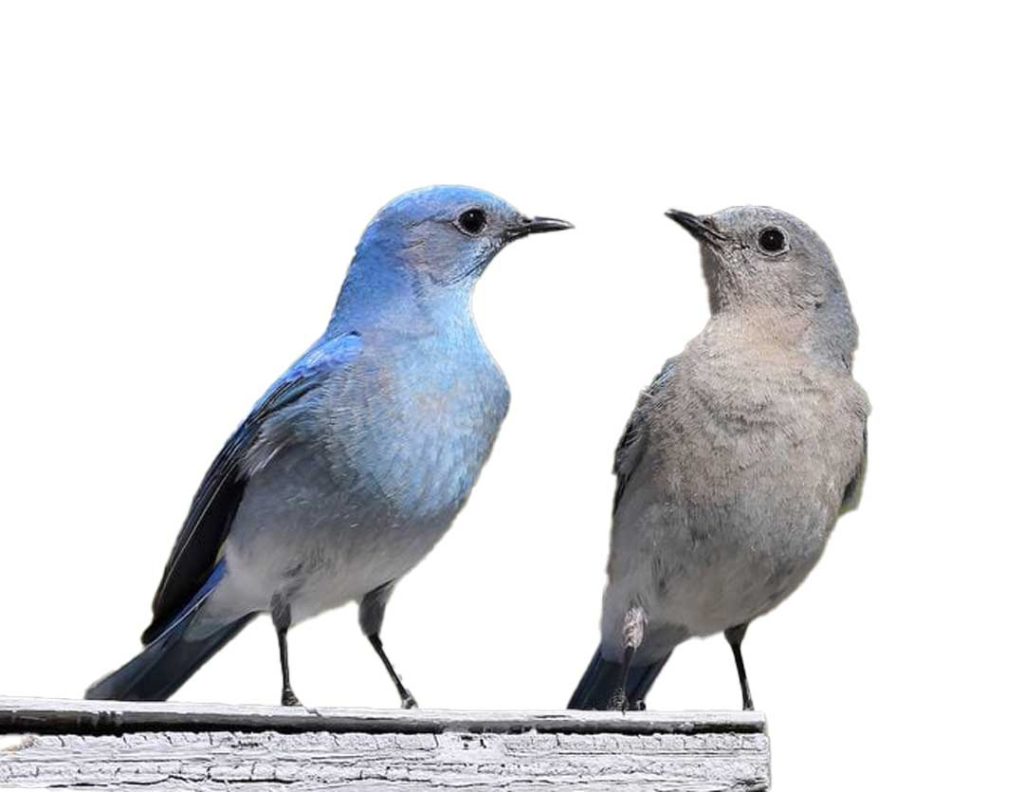
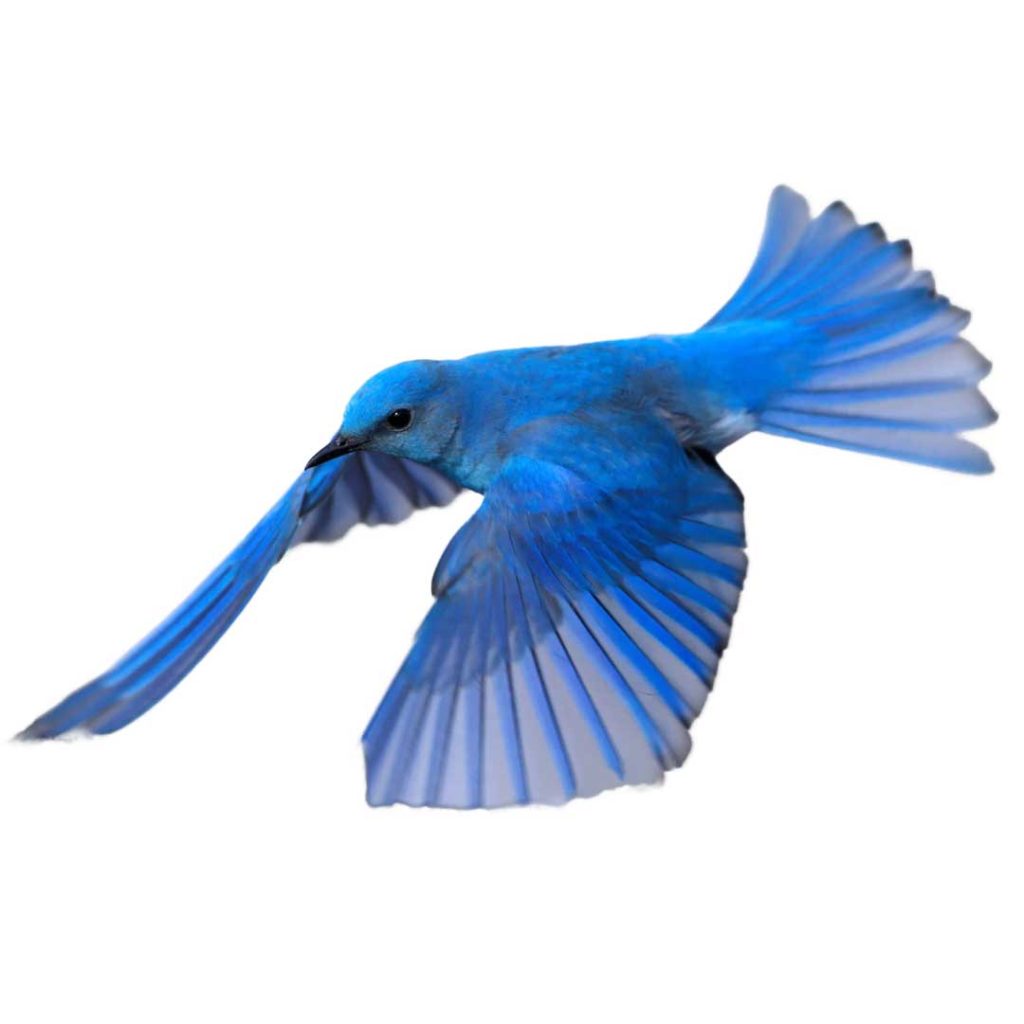
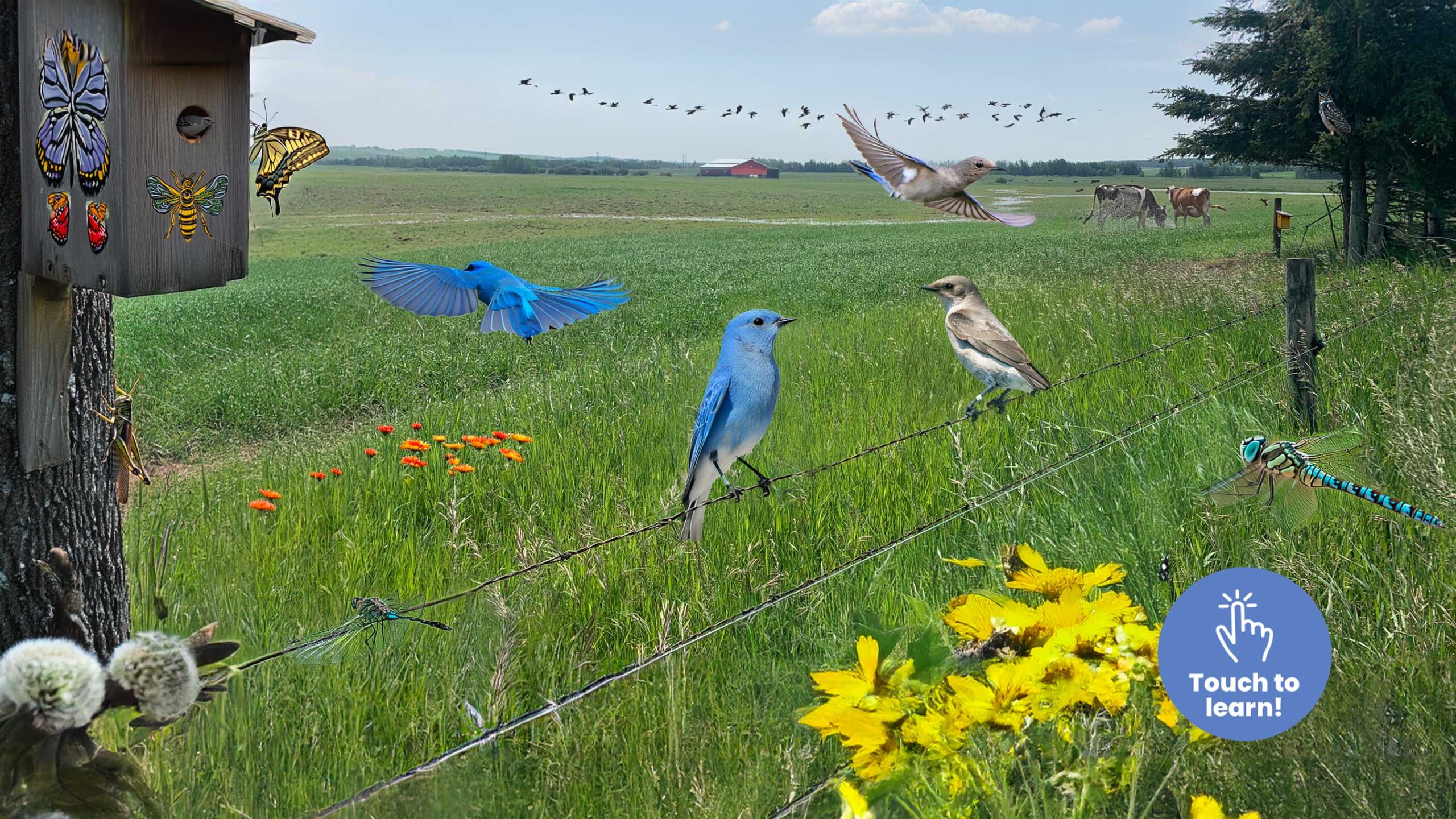
Adult males are sky-blue overall but are darker on the top and a lighter blue underneath. Females and immature individuals are mostly gray and brown with patches of pale blue on their wings and tail. Their belly colour varies from pale rusty to gray.
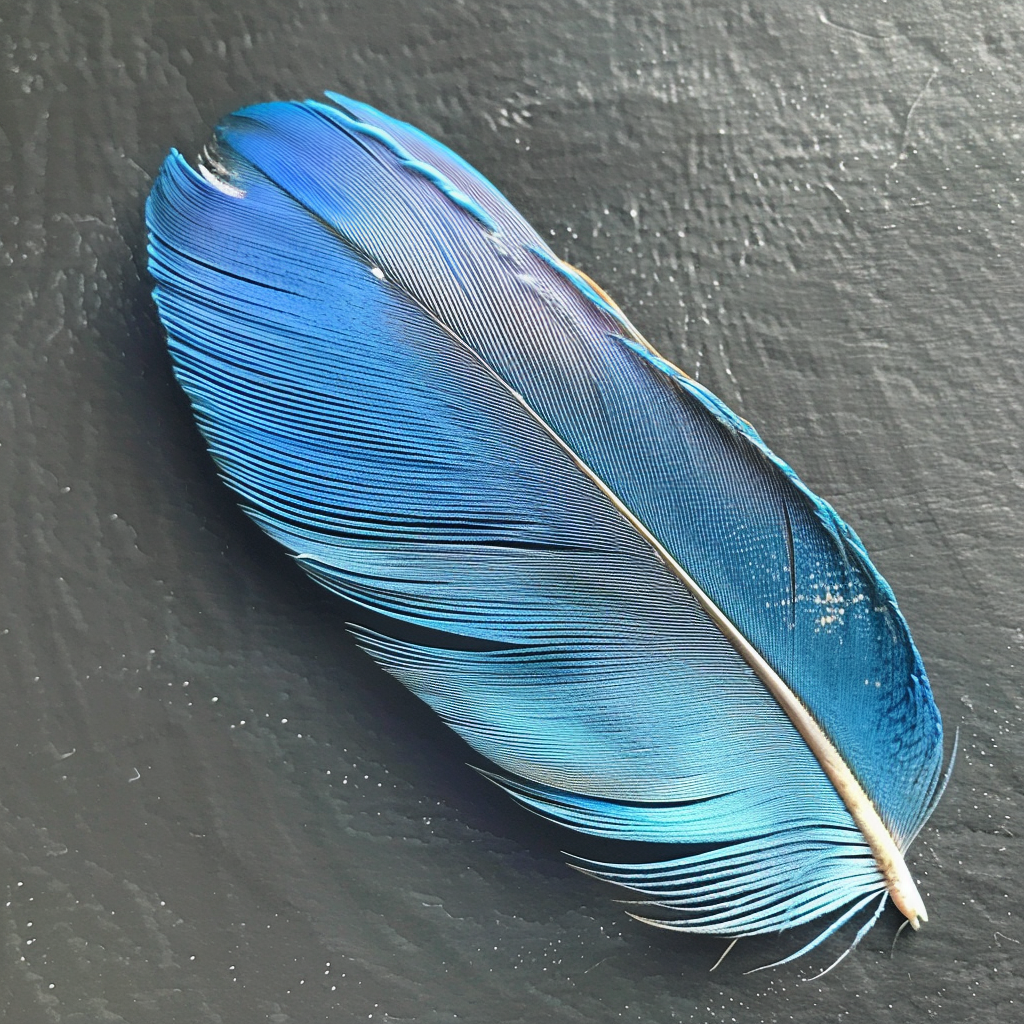
Colour production This blue coloration is one type of structural coloration instead of pigmentation and is caused by a reflection of light off of the feathers.
Breeding & Parental Roles
Male scouts will search for potential nesting sites to choose from. Once chosen, the female will build the nest in early mornings using coarse, dry grass stems, feathers, and other vegetation. Mountain bluebirds will often reuse nesting sites within and between breeding seasons.
The male will bring food while the female with incubate and brood the eggs.
After hatching, both parents will care for and defend the young for ~3-4 weeks until the young fledge the nest.
Bluebirds are typically monogamous though there are instances where the females switch partners if they are attempting to brood more than once that year, this is known as “Brood Switching”
Range & Migration
Learn about migration!
The mountain bluebird breeds from Alaska across western Canada to the western USA to central Mexico (Johnson and Dawson, 2019). By putting trackers on bluebirds that nest in central Alberta, we know that they spend their winters in the southwestern USA and northern Mexico (K. C. Fraser, unpublished data). Therefore, bluebirds nesting in this area are considered short-distance migrants and typically arrive back in March.
– Are you also able to make it so the migration path follows closely to the written blurb rather than circling around the migration path.
Current Research
Bluebird Diet DNA Extraction – We have a new and exciting project In collaboration with Burman University and funded by ACA and NSERC, we have a new and exciting project where we get to explore the bluebird diet, in detail, through modern molecular techniques that will allows us to extract insect DNA from nestlings’ feces.
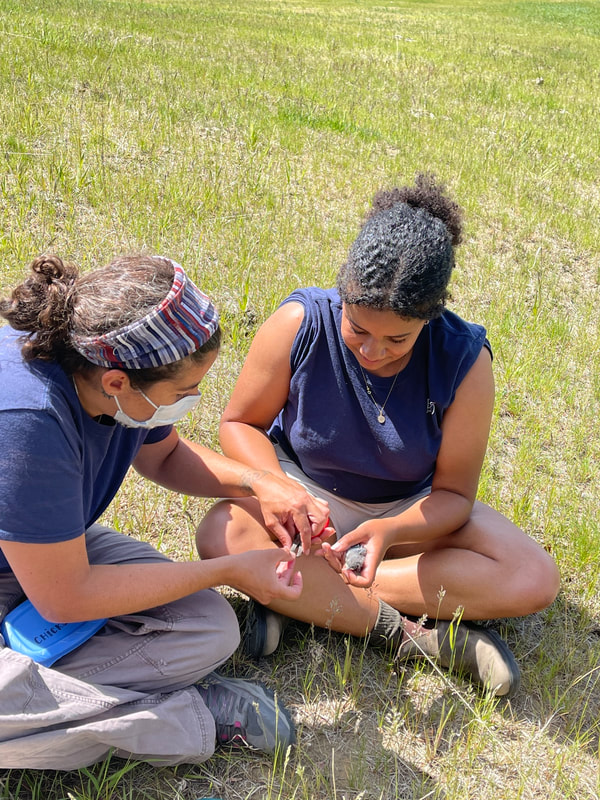
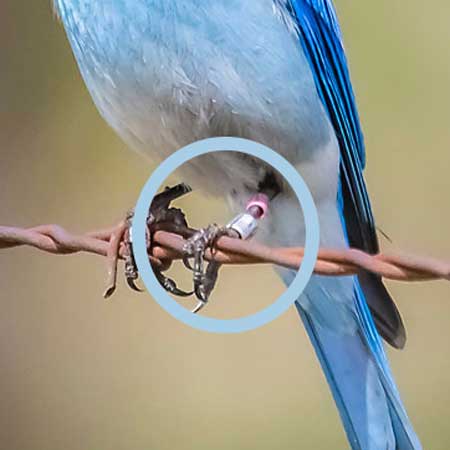
ENC Banding – ENC has been banding bluebirds for over 25 years. Banding allows us to identify individual birds while also better understanding their movements to breeding sites, migratory pathways, and wintering areas.
Cavity Nesters
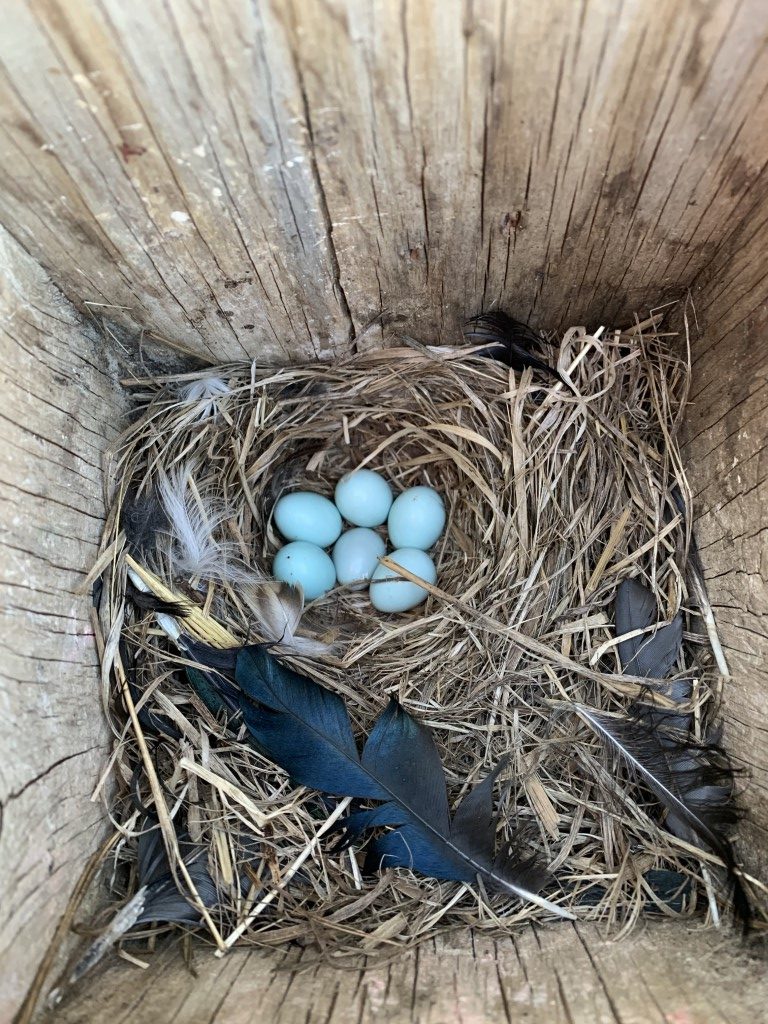
Mountain bluebirds are secondary cavity nesters meaning they do not make their own nests. They nest inside holes made by woodpeckers in forest tree cavities or artificial man-made nest boxes. Clutch size: Females will lay 4-8 eggs per clutch, sometimes twice in a year. The eggs are smooth and white to pale blue in appearance. Incubation period:13-20 days Nesting period: 18-20 days
Mountain Bluebird Diet
Mountain Blebirds eat mostly caterpillars and grasshoppers, but they also like beetles and spiders.
Range & Migration
Learn about migration!
Purple martins migrate to North America in spring, arriving mid-late April, with the latest individuals arriving by June. Scouts, the oldest and healthiest individuals, are usually the first to arrive. They will migrate back to Mexico and and South America starting mid-August often flocking up in huge groups in southern USA after fledglings are strong and independent fliers.
*Citation: All About Birds, 2025
Diet
Purple martins are insectivorous, meaning they eat bugs! They eat during the day while flying and often will feed in pairs. They also get their water while flying, skimming the surface of ponds
Colouration
Description: adult males are sky-blue overall, but they are darker above and lighter below. Females and immature individuals are mostly gray and brown and have some areas of pale blue in the wings and tail. Belly color varies from pale rusty to gray.
Color production: this blue coloration is one type of structural coloration, which means that instead of being based on pigments, like for example red or brown feathers, this one is produced by the reflection of light waves through the different layers of materials that build the feathers, namely keratin and melanin.
Nestling coloration: interestingly, when nestlings get their feathers, you can tell males from females apart by the color of their feathers; males are darker blue, while females are dullish-green.
Banding: Why & How
Ellis Nature Centre has been banding bluebirds over 25 years and the reason why we do this is to identify individual birds so that we can better understand their movements to breeding sites, migratory pathways, and wintering areas. If we see a banded bird in one of our boxes, it’s very possible that it was born here and migrated all the way down to southern US/northern Mexico and came back to breed close to the place where it was born! If you ever find a bird with a metal band and you can read the number, you can report it to the Bird Banding Office and contribute directly to conservation efforts.
Ellis Nature Centre Trail Stats
Forthcoming
Our Current Research
We have a new and exciting project in collaboration with Burman University and funded by ACA and NSERC, and we will explore the bluebird diet in detail through modern molecular techniques that will allow us to extract insect DNA from nestlings’ feces.
ENC Banding – EBF has been banding bluebirds over 25 years and the reason why we do this is to identify individual birds so that we can better understand their movements to breeding sites, migratory pathways, and wintering areas. If we see a banded bird in one of our boxes, it’s very possible that it was born here and migrated all the way down to southern US/northern Mexico and came back to breed close to the place where it was born! If you ever find a bird with a metal band and you can read the number, you can report it to the Bird Banding Office and contribute directly to conservation efforts.
Conservation Concern: According to the North American Breeding Bird Survey, Mountain Bluebirds are common, and populations have held steady between 1966 and 2019, indicating a species of low conservation concern. However, based on our data, the local population has declined in the last years.
First Arrivals Date
What it is and how we measure it, and why:
First Arrival Date
First arrival date is the date when the first individual of a particular species is observed in the breeding grounds. This date is different each year and depends on the many variables that affect migration timing, such as date of departure from their winter range and migration time, which in turn depend on local weather conditions from the start to the end of migration.
We obtain this date through observations of local birders and our staff and declare first arrival date as the first time someone reports a bluebird sighting. And it is very important because it help us understand if the species is adjusting their arrival times in response to climate change. They compete fiercely with other cavity-nesters over nest sites, so early spring arrival at nesting grounds is very important because it helps them take possession of choice cavities before Tree Swallows can appropriate them.
58 years of data collected by Ellis Nature Centre shows that first arrival dates of Mountain Bluebirds have advanced 19 days from 1961 to 2018 (Pearman et al.). It’s important to note that this does not necessarily mean that the whole population is arriving earlier, but at least some individuals are.